
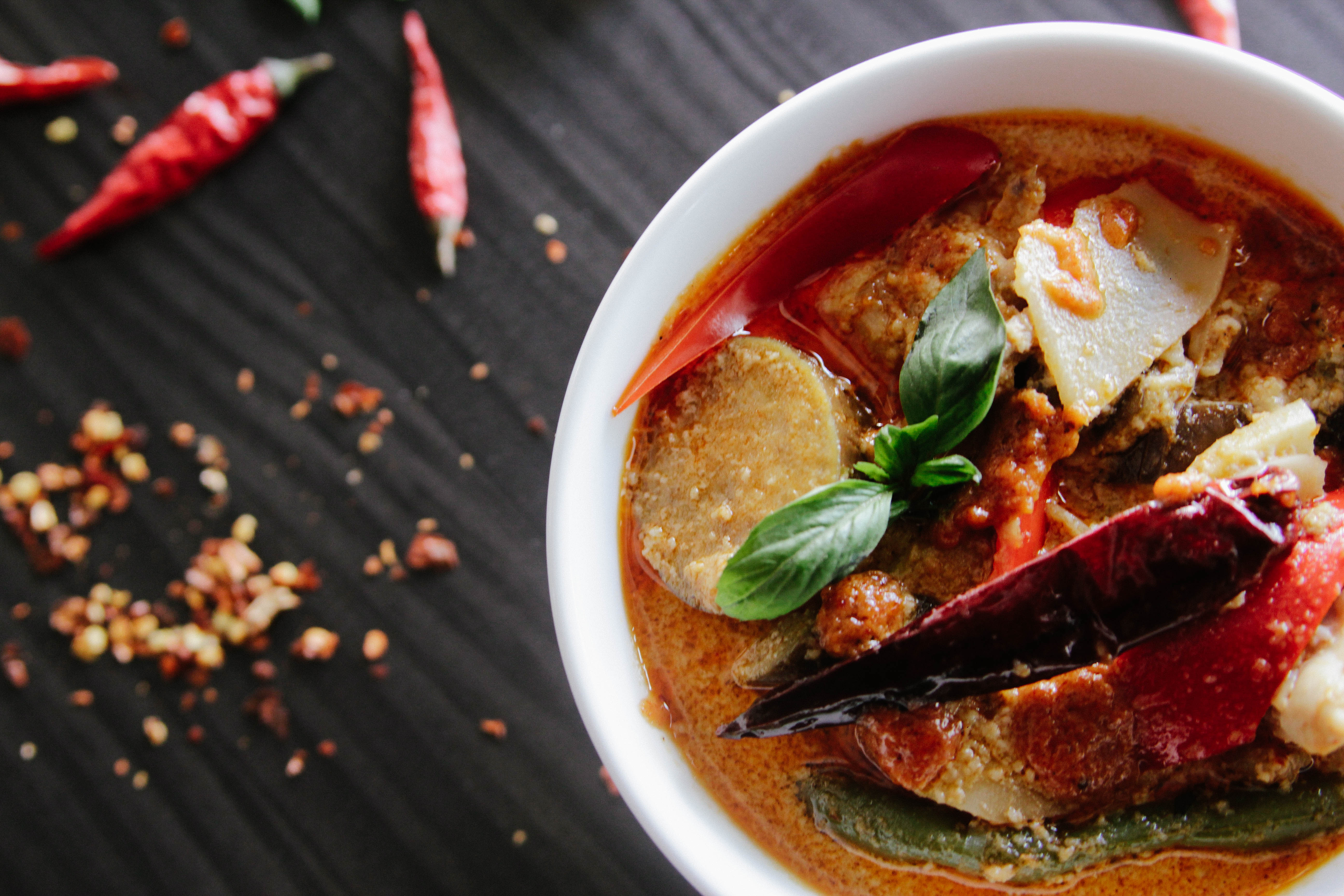
Miami foodies love to turn up the heat on their food. Many of us like our wings HOT, our Indian food extra spicy and our sushi covered in wasabi.
A study from the British Medical Journal says eating spicy food can actually help you live longer than your counterparts who aren’t putting much “spice” in their life. A half-million people in China took part in the study and in the end, researchers found that those who ate spicy foods as little as twice a week reduced their mortality rate by 10%. Up the spicy intake to six times a week and that number increases to 14%. Sounds good, right? We thought this might be too good to be true and, while we don’t want to rain on your pepper parade, we do want to set the story straight. So here’s the good and bad news.
THE GOOD
Weight Control
NYC Gastroenterologist Dr. Prem Chattoo says one of the big benefits of eating spicy food (especially jalapenos, habaneros and cayenne) comes from capsaicin. According to Dr. Chattoo, this “natural chemical speeds up the metabolism by increasing heart rate and body temperature.” Nutritional health counselor Cindy Kasindorf, co-founder of Joni Juice, points out, “the best time to eat spicy food is with a heavier meal during lunch or dinner. It will stimulate the digestive tract.”
Fountain of Youth
We know the British Medical Journal study found that eating spicy food could help you live longer, but what about looking younger? Dr. Chattoo says spicy food can “slow down the aging process by increasing blood flow to the face and body. This makes skin look and feel more youthful.” Kasindorf adds, “I believe that any foods that help with the inside of your body will make you look better on the outside. “
Healing
Kasindorf knows all too well about how food heals. She started Joni Juice as a way to help her colicky kids and also help her clients manage certain health issues. She makes it a point of adding some spicy elements to several of the company’s juices. One reason? “Spicy foods are an excellent way to relieve sinus congestion and open up the breathing airway.” According to Dr. Chattoo, spicy foods “not only helps people with sinus conditions potentially decrease their symptoms, but it also helps increase blood flow and overall circulation which improves healing properties.”
Heart Helper
Dr. Chattoo says “spicy food acts as an antioxidant and blood thinner which aids in heart disease by improving cardiac blood vessel strength.” Talk about heart healthy!
Anti-inflammatory
Physical therapist Karena Wu from ActiveCare Physical Therapy says her favorite side effect from spicy food is it’s anti-inflammatory properties. Wu not only treats patients for arthritis, but is a Rheumatoid Arthritis sufferer as well. She is glad that spicy food can “help with pain and healing by increasing blood flow to an affected area.” Mark Bailey, a private chef in New York City, knows this first hand. He says ‘My grandmother loved making Escovitch fish because the scotch bonnet peppers she believed helped relieve the pain of her arthritis. Capsaicin is the active ingredient in scotch bonnet peppers and it’s known to fight inflammation. So I definitely keep this in mind when cooking for my own parents now.” This can be also be good for people with auto immune diseases, Parkinson’s and even asthma sufferers. Dr. Chattoo suggests “finding spicy foods with the highest concentration of capsaicin is key. For example, raw chopped peppers would be very high in Capsaicin and potentially the most beneficial.”
Anti-bacterial
Who knew spicy food can actually kill stomach bacteria? Dr. Chattoo says this is a big benefit as the peppers help prevent further infections throughout the body.
Temperature Regulation
Elizabeth says one of the most interesting things about spicy food is that “it can heat up your body when it’s cold out and, surprisingly, can cool your body off when you are hot. Eating spicy food makes you sweat and sweating actually helps your body temperature regulate itself. So while it may seem strange, definitely put more heat on your food when the heat is on.”
THE BAD
Irritant
Dr. Chattoo says while capsaicin has benefits, it also has its downside. “Capsaicin can be a very potent irritant. It can cause damage to the lining in the stomach which in turn can cause gastritis, stomach ulcers and even intestinal disease such as colitis.” Ouch!
A Bad Burn
You may like the burning sensation spicy food has on your tongue, but Dr. Chattoo says the flipside to that is that “spicy food can also cause heartburn and/or reflux disease. The reason being it’s acidic and irritant properties can cause a rather unwanted effect once it hits your insides.” If you experience any of these conditions after eating spicy food, Dr. Chattoo says you should consider “adding a side of cream or yogurt to your dish. This may help protect the digestive system by neutralizing the burning potential and temper the irritant properties that can cause harm.” Kasindorf also suggests, “pairing it with any cooked or raw vegetables also helps lesson the burn.”
Taste“less”
While you may think spicy food is enhancing the taste of your food, Dr. Chattoo has to be a bit of a Debbie Downer here because he says the fact is “spicy foods can also cause damage to the taste buds hampering your sense of taste.” This might be the reason why over time you feel like you can turn up the heat even more on your favorite foods – or explain why you can eat the Buffalo wings with the ‘too hot to handle’ sauce.
The Unspeakable
You probably won’t want to tell your friends if you suffer from this spicy side effect, especially not while eating! Dr. Chattoo says spicy food can “worsen hemorrhoids by causing further damage and irritation.” He says it can also make IBS (irritable bowel syndrome) worse, and even potentially cause diarrhea. Not fun.
Eye-yi-yi
If you’ve ever chopped peppers at home you may know about this unwanted side effect. You are chopping and seeding when all of the sudden you rub your eye. Kasindorf points out that “you should be careful not to touch your eyes if handling anything spicy and you may not realize it, but even after hand washing it may still be on your skin. To be safe you may want to wear gloves and take them off and discard them immediately after preparing the pepper.”